
It is typical of the misfortune Sale have suffered since winning the Premiership in 2006 that their plan to showcase rugby union in the north-west of England by taking Saturday's match against London Irish to the Reebok Stadium should be undermined by three teams from the area being in the FA Cup semi-finals at Wembley.
Sale had hoped for more than 20,000 to turn up at the home of Bolton Wanderers, as they look to develop their fan base and start making a profit after years of losses that have been made good by the club's owner, Brian Kennedy. The projected crowd has been revised downwards, though, thanks to the distraction of the two Manchester clubs meeting each other in the first of the semi-finals, followed on Sunday by Bolton against Stoke City.
Kennedy describes the initiative, which is part of a three-year agreement with Bolton Wanderers to stage one match a season at the Reebok, as the last shot for a club that were the Premiership champions five seasons ago to prove that they can compete with the best.
Sale have not had a sell-out at their Edgeley Park home this season and plans to redevelop the ground have barely advanced beyond the discussion stage because the £8m the work would cost is not in place.
"I have put £16m into Sale and Stockport County and I am not in a position to fund the stadium," Kennedy says. "We need to increase our average gate by 5,000; that would provide us with extra income of at least £800,000 and playing in Bolton gives us the chance to see what the interest is in the north-west. I think this is our last chance: if we fail, we will join Newcastle, Leeds and Exeter in not spending the full salary cap, with the emphasis on survival rather than competing with the best."
Sale are losing around £1.5m a year, which Kennedy takes care of. The two clubs below them in the table, Leeds and Newcastle, are the other two northern sides in the Premiership. The three have the lowest average home attendances in the division and have been bankrolled by millionaire owners while other clubs have increased turnover by developing their grounds and increasing capacity.
"The game in the north is dying," Kennedy says. "What we have as a sport is a bust business model. If owners stopped supporting clubs, there would only be three or four left in the Premiership. The Rugby Football Union has to start realising this. It has to come to an end and that is why this is a last big push by us. We have to develop our fan base to make the model work. We will give it our best shot, and we have an excellent new coach and good players who can make us competitive next season, but if we fail, costs will have to be cut. If we ever get relegated, it will be a hard road back."
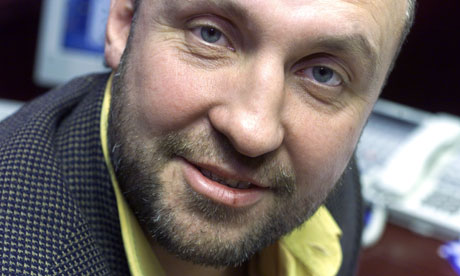
Mick Hogan is Sale's chief executive, joining from Wigan Warriors last year. He welcomes a proposal to play next season's Premiership play-off final at Old Trafford to give the game in the north a stimulus but believes a bigger impact would be made by playing internationals in the north on more than the very occasional basis.
"It is harder for a rugby union club in the north than anywhere else," he says. "We are battling against history and tradition. The deal with Bolton is exciting and we will get more than double our average gate and the corporate packages have sold very well. The Premiership final in Manchester would be good for the game here but a Six Nations match or an England international against New Zealand would have a greater impact. We need marquee events and the national brand would engage people.
"I have talked to the RFU and it has a mortgage on the south stand at Twickenham to pay off. Why not put internationals in the north up for tender, like the Ashes and the Ryder Cup? The Six Nations is in the same bracket, a cultural as well as a sporting event. The RFU would make money; and New Zealand, Australia, France and South Africa spread Test matches around their countries. We need to get the game in the north on an even keel and the fact that the three Premiership clubs here have been the ones involved in the relegation fight should be a cause for concern."
Clubs at the other end of the table are concerned that the salary cap, which will remain at £4.2m next season, is hindering them in Europe where they are up against the free-spending French and regional Celtic teams. "I can understand where they are coming from," Hogan says. "It is a complex issue but a problem with raising the cap is that, with tournament sponsorship and television deals not due to be renewed for a few years, most clubs lack the means to increase turnover in difficult economic times. Raising the cap would dilute the competitiveness of the Premiership and, if you started getting one-sided matches, would that be the way to prepare for Europe?"
Hogan is keen to stress that the picture in the north is not as grim as a scene in a Lowry painting. "There are reasons to be positive," he says. "The community game is strong and our players have been magnificent in the hours they put in at schools and clubs in their own time, helping get youngsters into the game and aware of Sale Sharks. We are not sitting back and waiting for things to get better. We hope the game at the Reebok will stimulate interest and help us grow. It has to."
